Peridot: Unlocking the Potential of a Versatile Gemstone
Introduction
Peridot, a vibrant green gemstone, has captivated humans for centuries, adorning royalty, artists, and collectors alike. Beyond its aesthetic allure, peridot holds significant economic, technological, and cultural value. This article aims to embark on a comprehensive journey through the world of peridot, exploring its historical roots, global impact, and the various factors shaping its future. By delving into its many facets, we will uncover the multifaceted nature of this gemstone and its relevance in today's world.
Understanding Peridot: Unraveling the Essence
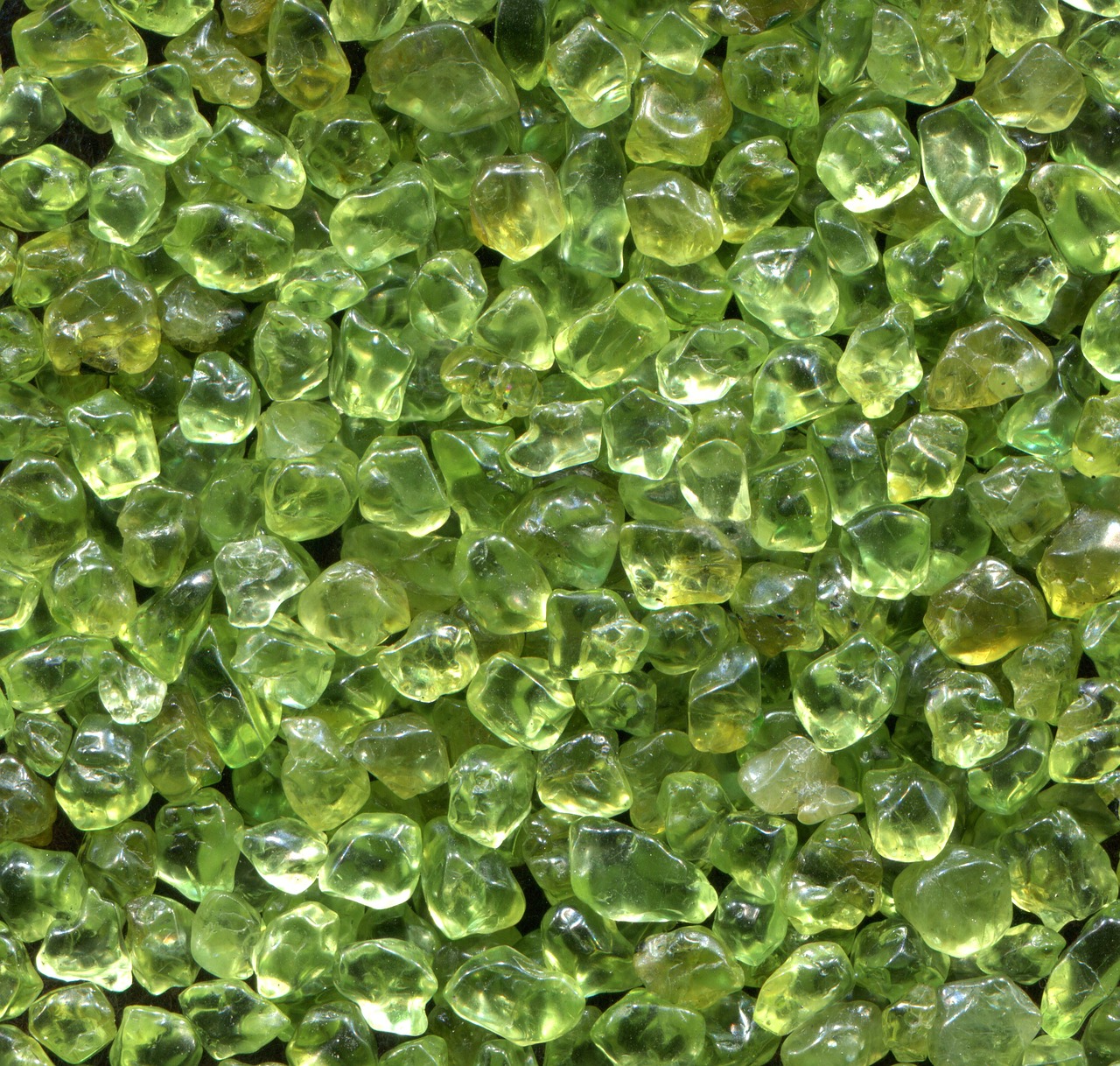
Definition and Composition: Peridot, scientifically known as olivine, is a mineral composed primarily of iron and magnesium silicate. It belongs to the orthosilicate family and forms in cool, deep-earth environments. The term 'peridot' derives from the Arabic word 'faridat,' meaning 'gem.' This gemstone is renowned for its striking green color, which ranges from pale verdant to deep forest green, often enhanced by minor impurities.
Historical Context: The history of peridot is intertwined with human civilization. Ancient civilizations, such as the Egyptians, Greeks, and Romans, highly valued peridot for its color and rarity. It was used in jewelry, religious artifacts, and even as a symbol of status and wealth. The gemstone's popularity continued through the Middle Ages and the Renaissance, with its association often linked to the church and royalty.
Significance: Peridot holds a unique position in the gem industry due to several factors:
- Abundance: Olivine is one of the most common minerals found on Earth, making peridot relatively accessible and affordable compared to other gemstones.
- Versatility: It exhibits a wide range of colors, allowing for diverse applications in jewelry design and industrial uses.
- Durability: Known for its exceptional hardness and resistance to weathering, peridot is highly durable, making it suitable for everyday wear and industrial applications.
Global Impact and Trends
International Influence: Peridot's impact extends far beyond its geological origins. It has captivated cultures worldwide, leading to its widespread adoption and trade. Ancient trade routes, such as the Silk Road, facilitated the movement of peridot from its sources in Egypt and Asia to various regions, fostering cultural exchange and economic growth.
Regional Trends:
- Asia: Countries like China, India, and Japan have a rich history of peridot craftsmanship. Chinese peridot jewelry, for instance, is renowned for its intricate design and historical significance. In India, peridot is often used in combination with diamonds and other gems, creating vibrant and luxurious pieces.
- Middle East: The United Arab Emirates and Saudi Arabia have a strong tradition of peridot jewelry, often featuring large, dramatic pieces. The gemstone's association with wealth and luxury remains prominent in these regions.
- Western Markets: In the United States and Europe, peridot has experienced fluctuations in popularity. While it enjoyed a surge in the late 20th century due to its association with vintage and antique jewelry, modern trends lean towards a more subtle and contemporary use.
Economic Considerations
Market Dynamics: The peridot market operates within a global gem industry valued at over $200 billion. While the market is largely driven by demand from the jewelry sector, peridot also finds applications in various industrial fields, such as manufacturing and technology. The pricing of peridot is influenced by factors like color, clarity, cut, and carat weight, similar to other gemstones.
Investment Patterns: Peridot has historically been considered a relatively accessible investment option within the gem market. Its availability and affordability make it appealing to investors seeking a diverse portfolio. The gemstone's association with ancient civilizations and its role in historical jewelry also contribute to its intrigue as a collectible.
Economic Impact:
- Job Creation: The peridot industry supports various jobs, from gemstone cutting and polishing to jewelry design and manufacturing.
- Export and Trade: Major producers like Brazil, Egypt, and Australia export significant quantities of peridot, contributing to their national economies.
- Local Economies: Mining regions, especially in remote areas, often experience economic booms due to peridot mining, providing employment and infrastructure development.
Technological Advancements
Cutting-Edge Techniques: The technological advancements in peridot processing have revolutionized the gemstone industry. Modern cutting and polishing techniques, such as laser-based precision cutting, have improved the yield and quality of peridot gems. These innovations enable the creation of complex cuts, enhancing the stone's brilliance and visual appeal.
Industrial Applications:
- Optics: Peridot's optical properties make it valuable in the production of high-quality glass for lenses and optical devices.
- Abrasives: The hardness of peridot makes it a suitable ingredient in advanced abrasives used for precision engineering and metal fabrication.
- Electronics: Certain compounds derived from peridot have potential uses in the electronics industry, particularly in the development of advanced semiconductors.
Future Potential: Research into peridot's unique properties continues to uncover new possibilities:
- Renewable Energy: Studies suggest that peridot-based materials could play a role in the development of efficient solar energy converters.
- Biotechnology: The biocompatibility of certain peridot compounds is being explored for medical applications, including drug delivery systems.
- Space Exploration: NASA has expressed interest in peridot and other olivine minerals for their potential use in space exploration missions due to their abundance on Earth and Mars.
Policy and Regulation
Governance and Frameworks: The global peridot industry operates within a framework of international trade agreements, environmental regulations, and industry-specific guidelines. Key organizations, such as the International Gemological Institute (IGI) and the World Customs Organization (WCO), play pivotal roles in setting standards and facilitating trade.
Mining and Environmental Concerns:
- Sustainable Mining: Many countries have implemented sustainable mining practices to protect the environment and local communities. These include strict regulations on water usage, waste management, and the preservation of cultural heritage sites.
- Conflict Gems: The gem industry, including peridot, has faced scrutiny regarding conflict gems, where mining revenue fuels armed conflicts. The Kimberley Process Certification Scheme aims to address this by ensuring the ethical sourcing and trade of diamonds and certain other gems.
Intellectual Property and Trade Secrets: The craftsmanship and design associated with peridot jewelry are often protected through intellectual property rights and trade secrets. Designers and manufacturers invest in creating unique pieces, which can command premium prices in the global market.
Challenges and Criticisms
Sustainability and Ethical Concerns: One of the primary challenges facing the peridot industry is ensuring sustainable and ethical practices throughout the supply chain. While many companies embrace sustainability, illegal mining and trading practices remain a concern, particularly in remote regions. Addressing these issues is crucial for maintaining the gemstone's positive reputation.
Counterfeiting and Misrepresentation: The ease of copying peridot's appearance has led to the proliferation of counterfeit gems. Advanced technology has made it possible to replicate the gemstone's color and clarity, posing challenges for consumers and industry experts. Stricter authentication methods and consumer education are essential to combat this issue.
Stigma in Certain Markets: In some regions, peridot is associated with lower social status or even bad luck, which has impacted its popularity and pricing. Overcoming these cultural barriers requires nuanced marketing strategies and a deeper understanding of local traditions.
Case Studies
Case Study 1: Ancient Egypt's Peridot Heritage Ancient Egypt is renowned for its peridot legacy, with the gemstone playing a significant role in jewelry and religious artifacts. The discovery of peridot in Egyptian tombs, dating back to 4000 BCE, highlights its historical importance. The gemstone's use in the iconic 'Ears of Horus' amulets symbolizes protection and divine power. Today, Egyptian peridot jewelry continues to capture the imagination of collectors worldwide, with modern artisans preserving ancient craftsmanship techniques.
Case Study 2: Modern Peridot in Sustainable Jewelry Design A leading jewelry brand, Green Gem Collection, has made a name for itself by incorporating peridot into eco-friendly and ethically sourced jewelry. They partner directly with miners in sustainable mining communities, ensuring fair trade practices and minimizing environmental impact. Their designs showcase the gemstone's natural beauty while promoting a transparent and responsible supply chain, appealing to environmentally conscious consumers.
Future Prospects
Growth Areas:
- Personalized Jewelry: The trend towards personalized and unique jewelry will likely drive demand for peridot, allowing for creative design expressions.
- Sustainable Innovation: As the focus on sustainability intensifies, peridot's versatility will make it a valuable resource for eco-friendly product development.
- Tech-Driven Applications: Advancements in technology will continue to uncover new uses for peridot, from improved optical devices to potential medical applications.
Emerging Trends:
- Peridot in Architecture: The gemstone's unique color and durability may find applications in architectural materials, adding a touch of natural beauty to modern structures.
- Virtual Reality and Augmented Reality: Peridot's optical properties could be leveraged in the development of immersive VR and AR experiences, enhancing visual effects.
- Cultural Revitalization: There is a growing interest in reconnecting with ancient traditions, which may lead to a resurgence in peridot's use in cultural and ceremonial practices.
Strategic Considerations:
- Supply Chain Transparency: Building trust among consumers will require greater transparency in the peridot supply chain, ensuring ethical sourcing and sustainable practices.
- Innovation and Collaboration: Industry stakeholders, including miners, cutters, designers, and researchers, should collaborate to explore new applications and drive innovation.
- Educational Outreach: Engaging with communities and educating consumers about peridot's history, rarity, and sustainability efforts can foster a deeper appreciation for the gemstone.
Conclusion
Peridot, with its rich history and diverse applications, continues to captivate and inspire. From its ancient origins to its modern-day uses, this gemstone has left an indelible mark on human civilization. As we look to the future, the global peridot industry stands at a crossroads, facing challenges and embracing opportunities. By navigating sustainability, technological advancements, and cultural evolution, peridot can secure its place as a valuable and versatile gem for generations to come.
FAQ Section
Q: Is peridot a rare gemstone? A: Peridot is relatively abundant compared to other gemstones, but its rarity depends on the quality and size of the gem. Pure peridot of excellent clarity is less common and tends to be more valuable.
Q: Can peridot be synthetically created? A: Yes, peridot can be synthesized in a lab, but natural peridot is preferred for its unique properties and historical significance. Synthetized peridot is often used in industrial applications due to its lower cost.
Q: What is the best way to care for peridot jewelry? A: Peridot jewelry should be stored in a cool, dry place to prevent color fading. Cleaning with mild soap and a soft cloth is recommended. Avoid using harsh chemicals or ultrasonic cleaners to ensure the gemstone's longevity.
Q: Are there any health risks associated with peridot? A: Peridot is generally considered safe for wear. However, as with any gemstone, some individuals may experience skin irritation due to the metal settings or chemicals used in treatment. If irritation occurs, discontinue use and consult a healthcare professional.
Q: How can I identify genuine peridot? A: Genuine peridot has a distinctive green color that ranges from light to dark hues. It should feel cool to the touch and exhibit a clear, transparent appearance. Certification from reputable gem testing labs can also confirm the gemstone's authenticity.
Category: peridot